Lefatshe la Botswana
Lefatshe la Botswana ke naga e e mo borwa jwa Afrika e e itsegeng ka kagiso le ditaemane. Ke gae la batho ba ba buang Setswana, le le tletseng ka ditsatlholego tse di kgatlhang.
English translation
The Country of Botswana
The country of Botswana is a nation in southern Africa known for peace and diamonds. It is the home of Setswana-speaking people, filled with beautiful natural wonders including the Okavango Delta and Makgadikgadi Salt Pans.
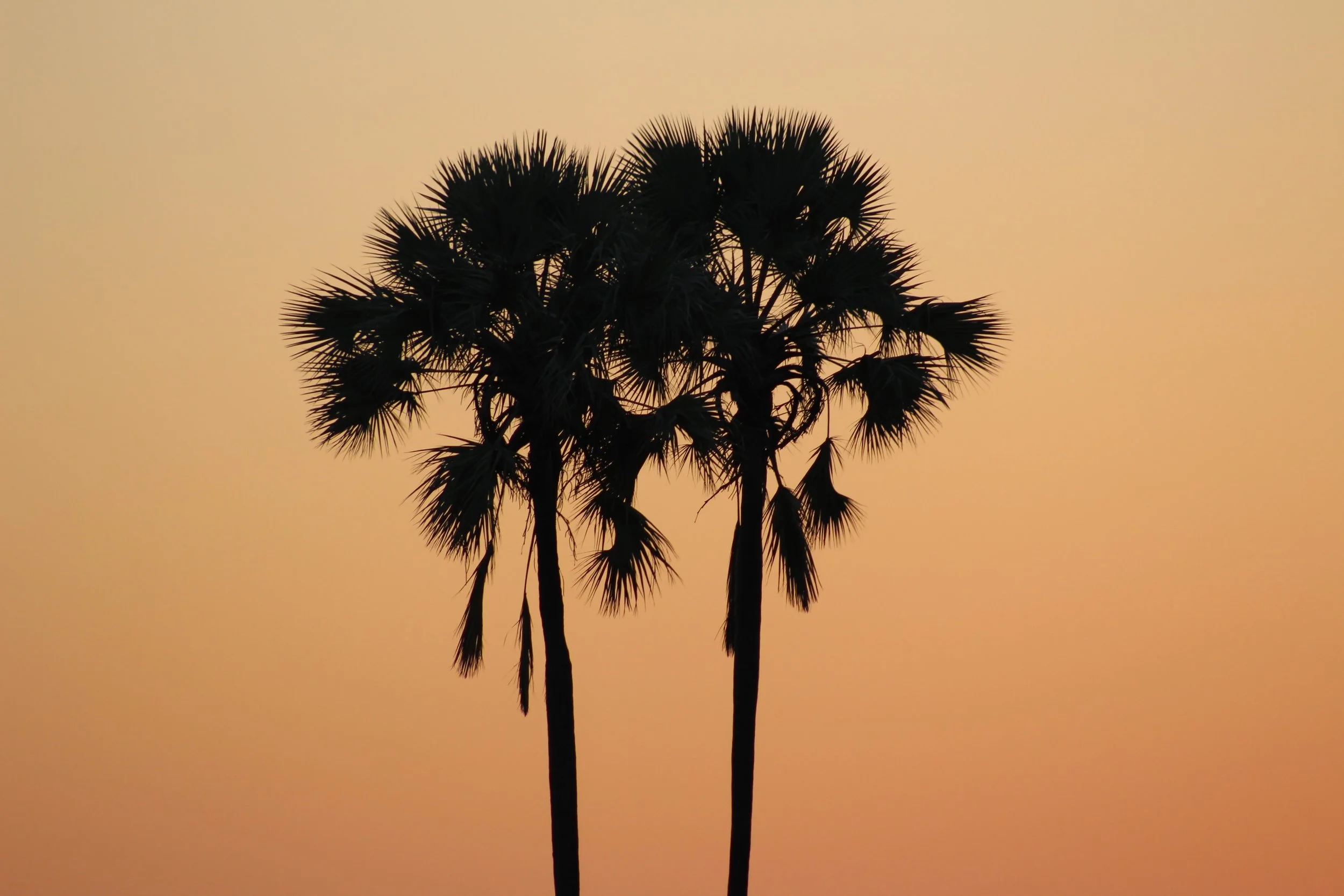

A different kind of safari...
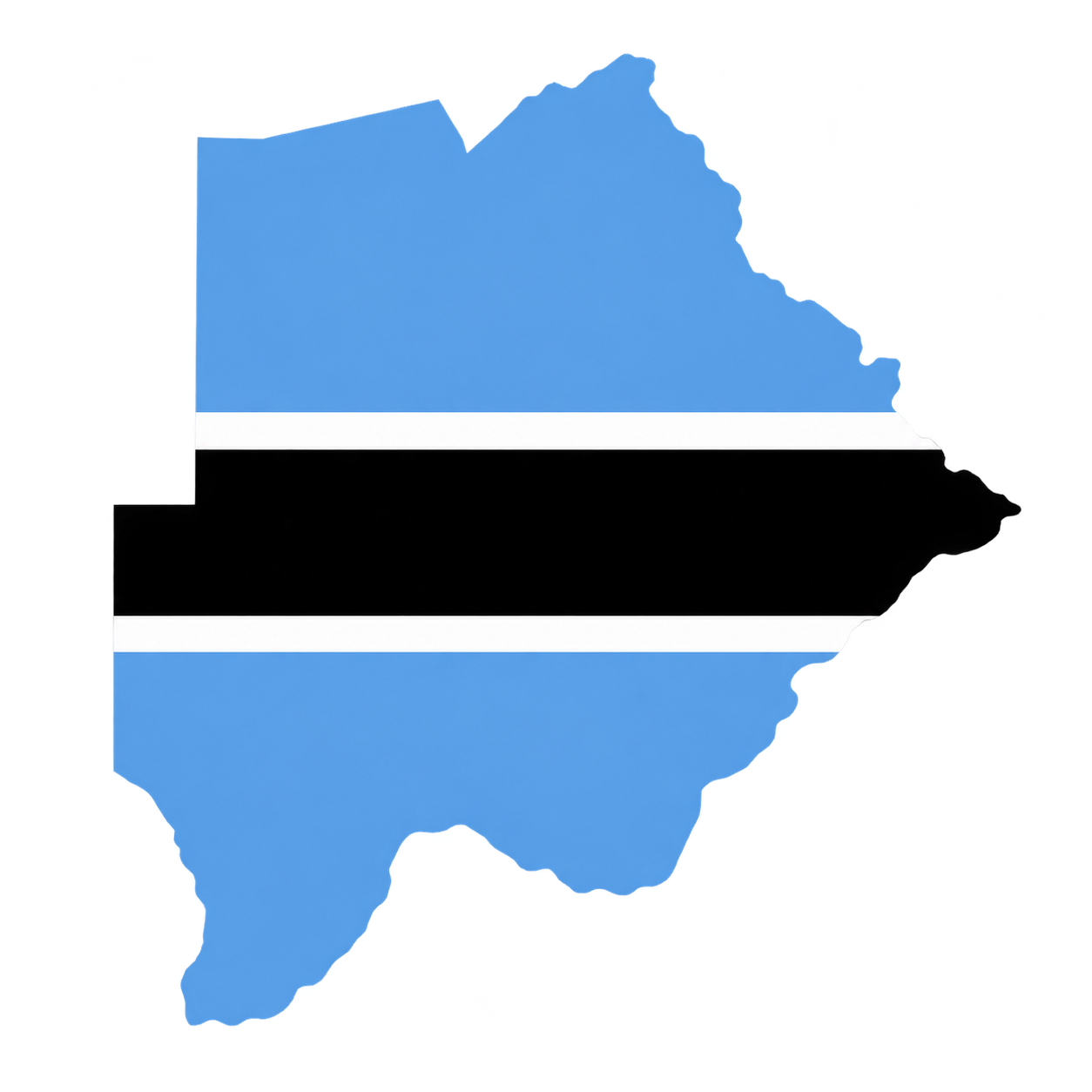
Botswana is a country of extraordinary space and wilderness. From the waterways and palm-fringed islands of the Okavango Delta to the immense salt pans of the Makgadikgadi and the open landscapes of the Central Kalahari, it offers three remarkably different versions of Africa within one country.
What makes Botswana particularly special is the feeling of being genuinely immersed in the wild. Safari here is often less about rushing from sighting to sighting and more about slowing down, exploring properly and experiencing places that still feel remote.
For us, that is what Botswana is all about.
The Landscape
Botswana sits at the heart of Southern Africa and is dominated by two seemingly contrasting forces: water and desert.
Much of the country forms part of the Kalahari, a vast semi-arid landscape stretching far beyond Botswana's borders. Yet in the north-west, water arriving from the Angolan highlands spreads across the sands to create the Okavango Delta — one of the world's great inland wetland systems.
Between them lie salt pans, grasslands, river systems, islands and woodland.
The distances are large, the horizons are enormous and settlements can be few and far between. It is this scale that gives Botswana much of its character.
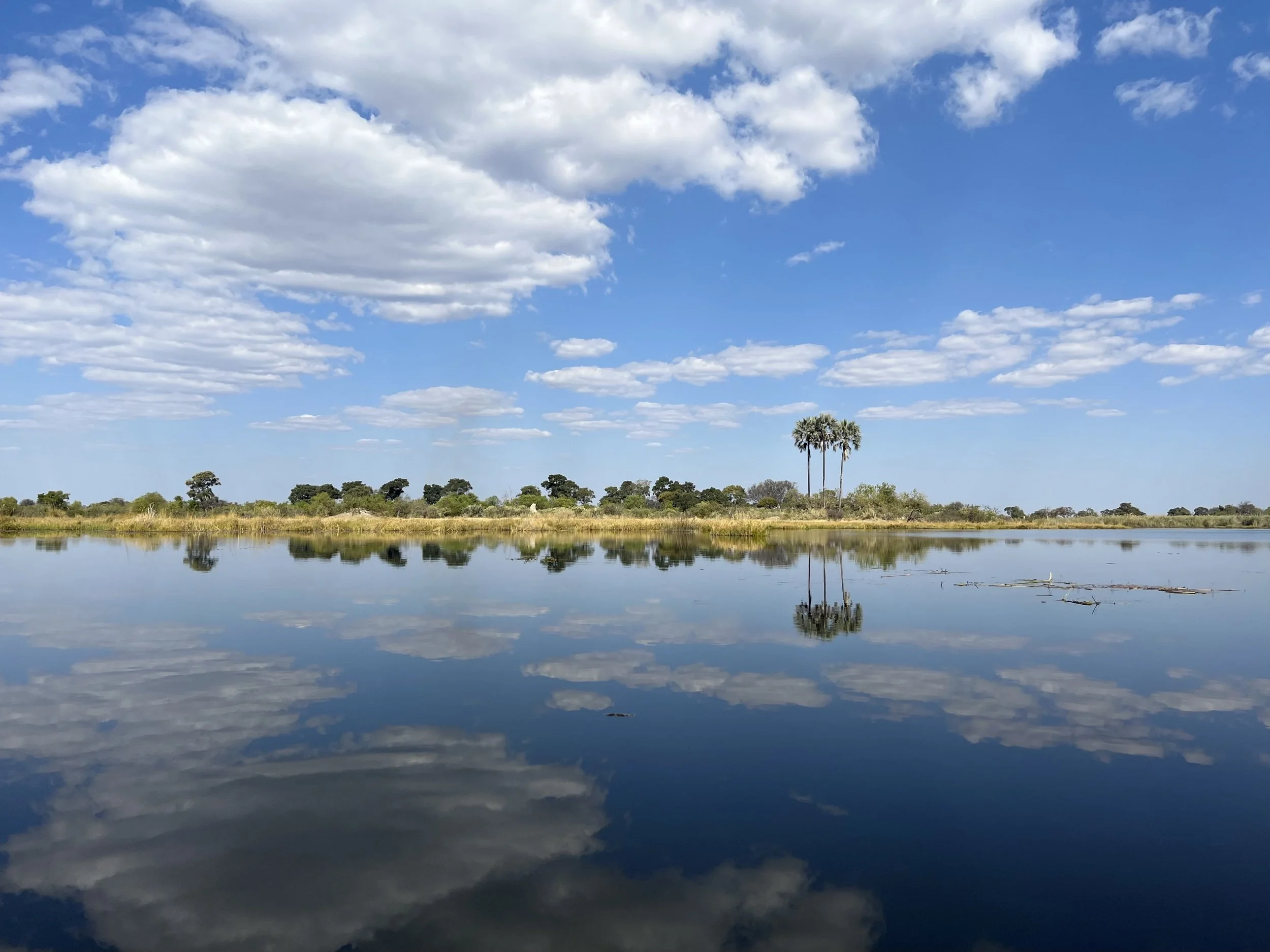
The Okavango Delta
— Waterways, islands and abundant wildlife
The Okavango Delta is the jewel of Botswana and, for us, one of the most extraordinary wilderness areas anywhere in the world.
Water flowing south from Angola spreads across the Kalahari sands, creating a constantly changing mosaic of channels, lagoons, floodplains and palm-covered islands. Wildlife moves through this landscape with the seasons, and depending on where you stay you might explore by 4x4, boat, mokoro or on foot.
Elephants, buffalo, lions, leopards, wild dogs, hippos and countless antelope and bird species all occur here.
But what makes the Delta unforgettable is not simply what you see. It is the feeling of being surrounded by wilderness.
This is our favorite place on earth.
The Makgadikgadi Pans
— Endless horizons, stark beauty and desert wildlife
Makgadikgadi feels almost like another planet.
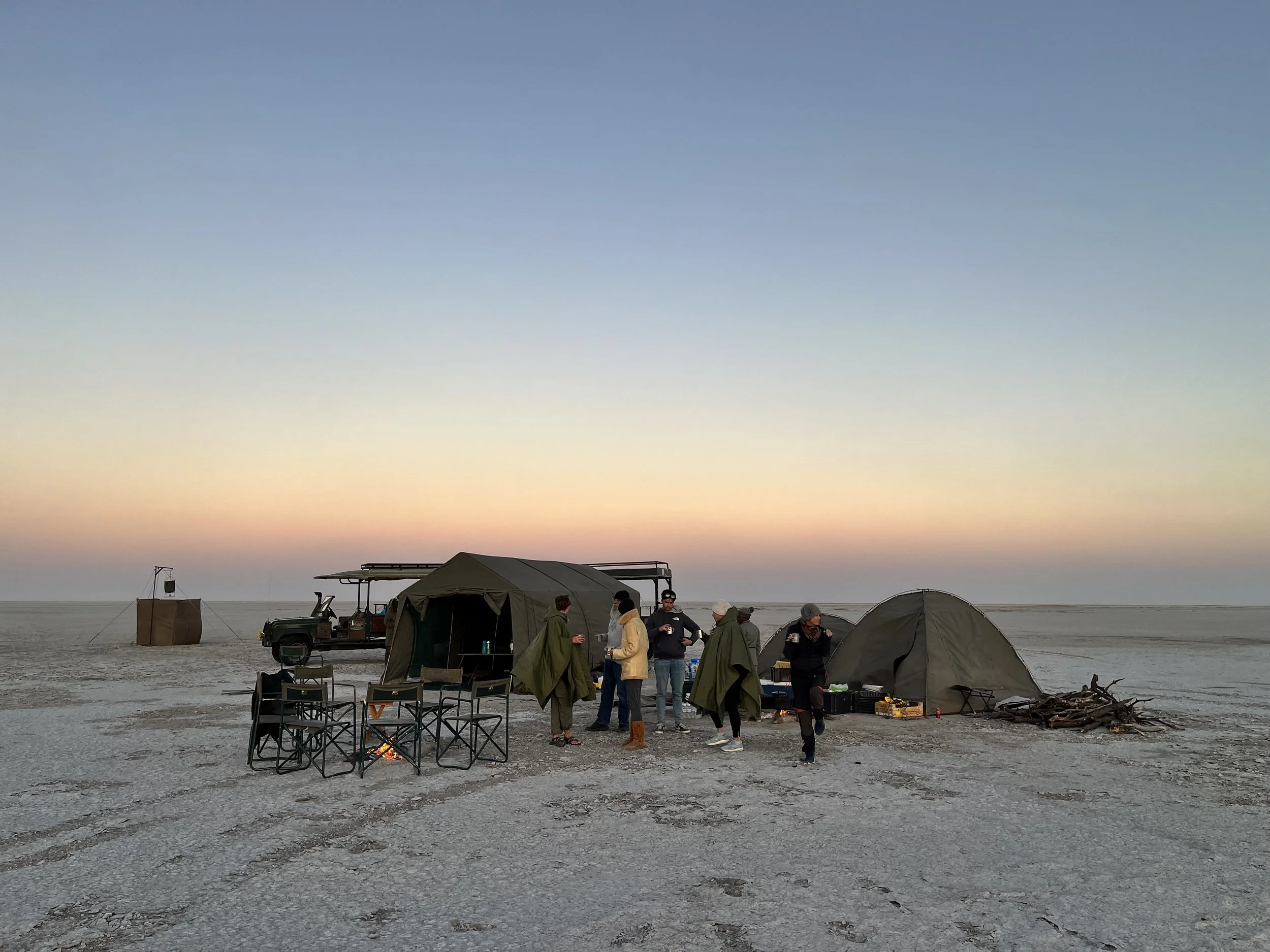
These vast salt pans are remnants of an ancient lake and create one of Botswana's most dramatic landscapes: immense horizons, brilliant skies and a sense of space that is difficult to appreciate until you are standing in the middle of it.
The experience changes dramatically with the seasons. Dry months reveal stark white pans and extraordinary sunsets, while summer rains transform surrounding grasslands and attract migrating zebra, wildebeest and predators.
Depending on where and when you travel, experiences can include wildlife drives, meerkat encounters, walking, cultural experiences and sleeping beneath a seemingly endless canopy of stars.
The Makgadikgadi is less about traditional safari and more about experiencing somewhere truly unusual.
The Central Kalahari
— Vast wilderness, open plains and raw safari country
The Central Kalahari Game Reserve offers safari on an entirely different scale.
Rather than waterways or salt pans, this is a landscape of open grasslands, fossil river valleys, thorn scrub and enormous skies. Wildlife can appear more dispersed than in some of Botswana's northern safari areas, but that is part of the appeal.
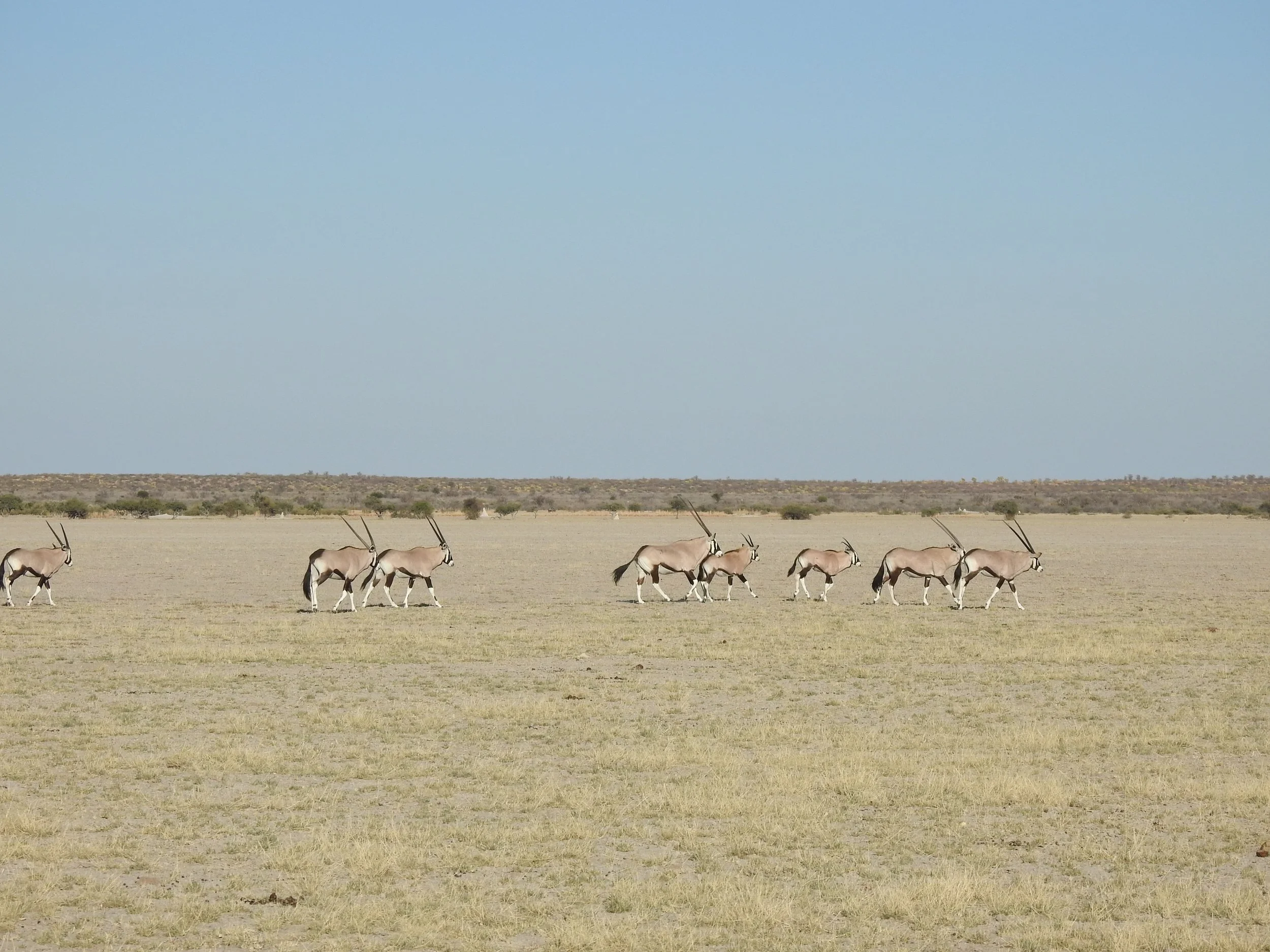
Following summer rains, parts of the Kalahari become unexpectedly green and wildlife gathers across the plains. Predators including lion, cheetah and brown hyena may be encountered alongside gemsbok (oryx), springbok and other desert-adapted species.
This is a destination for travelers who value space, silence and remoteness as much as wildlife sightings.
For the right person, that feeling of isolation is precisely what makes the Kalahari so special.
When to go…
There isn't really one best time to visit Botswana. The right time depends on where you want to go, what you hope to see and the kind of experience you are looking for.
May to October — The Dry Season
Botswana's dry season is traditionally the most popular time for safari. Days are generally clear and dry, vegetation becomes thinner and wildlife increasingly concentrates around permanent water.
In the Okavango Delta, this also coincides with the arrival of floodwaters from Angola. The Delta often reaches its fullest between roughly June and September, creating the extraordinary combination of dry winter weather and an increasingly water-filled landscape.
June and July can bring surprisingly cold mornings and nights, while September and October become considerably hotter.
For classic wildlife viewing in the Delta, this is an exceptional time to travel — but it is also generally the busiest and most expensive.
November to April — The Green Season
The arrival of summer rains transforms Botswana.
Landscapes turn green, migratory birds arrive, many animals give birth and dramatic afternoon storms create extraordinary skies. There are generally fewer visitors and safari prices can also be considerably lower.
This can be an especially rewarding time to explore the Makgadikgadi and Central Kalahari, where the rains bring life to landscapes that can appear almost impossibly dry during winter. Zebra and other grazing animals move into the pans and grasslands, often followed by predators.
Temperatures are warmer and rain is possible, but showers are frequently short and the landscape can be spectacular.
So when should you go?
If your priority is a classic Okavango Delta safari, we will often recommend the dry season.
If you want dramatic landscapes, fewer visitors, excellent birdlife and the seasonal wildlife of the Kalahari and Makgadikgadi, the green season can be just as rewarding — and sometimes even more memorable.
April, May and November can also offer an excellent balance between seasons.
The best time to visit Botswana depends on the Botswana you want to experience.
That is something we will help you decide when planning your safari.
Wildlife
Botswana offers some of Africa's finest wildlife experiences.
Depending on the region and season, you may encounter elephants, lions, leopards, cheetahs, African wild dogs, buffalo, hippos, crocodiles, giraffes and an extraordinary variety of antelope and birdlife.
But Botswana is not somewhere we recommend approaching with a checklist.
Wildlife is wild, sightings can never be guaranteed, and some of the country's greatest experiences come from unexpected moments: elephants quietly crossing a channel, lions calling during the night or simply sitting beside a fire listening to the bush around you.
For us, the quality of a safari comes as much from where you are and how you experience it as from how many animals you see.
People & Culture
Botswana is about far more than its wildlife.
The country has a rich cultural heritage shaped by its diverse communities, a deep connection to the land and a strong sense of national identity. Setswana is widely spoken alongside English, while cattle, family and community remain important parts of life across much of the country.
In parts of the Kalahari, visitors may also have the opportunity to learn about the knowledge, traditions and ways of life of San communities, whose connection with this environment stretches back generations.
We believe cultural experiences are most meaningful when they happen respectfully and naturally — not simply as another item to tick off an itinerary.
Most people come to Botswana for the wildlife, but many leave remembering the warmth and hospitality of its people just as strongly.
What makes Botswana different?
Wilderness
Botswana still offers something increasingly difficult to find: genuine wilderness.
In many areas there are relatively few camps and large areas with very little human development. It is entirely possible to spend hours exploring without seeing another safari vehicle.
Quality over quantity
Botswana has deliberately pursued a tourism model that places significant emphasis on lower visitor numbers and high-quality wilderness experiences.
That can make some Botswana safaris more expensive than equivalent trips elsewhere in Africa — but it can also deliver remarkable privacy, exceptional guiding and access to extraordinary locations.
Different ways to travel
There is no single Botswana safari.
You might stay in an exceptional lodge deep within the Okavango, travel between private camps by light aircraft, explore by mokoro, join a mobile safari, sleep beneath the stars or combine several completely different experiences within one journey.
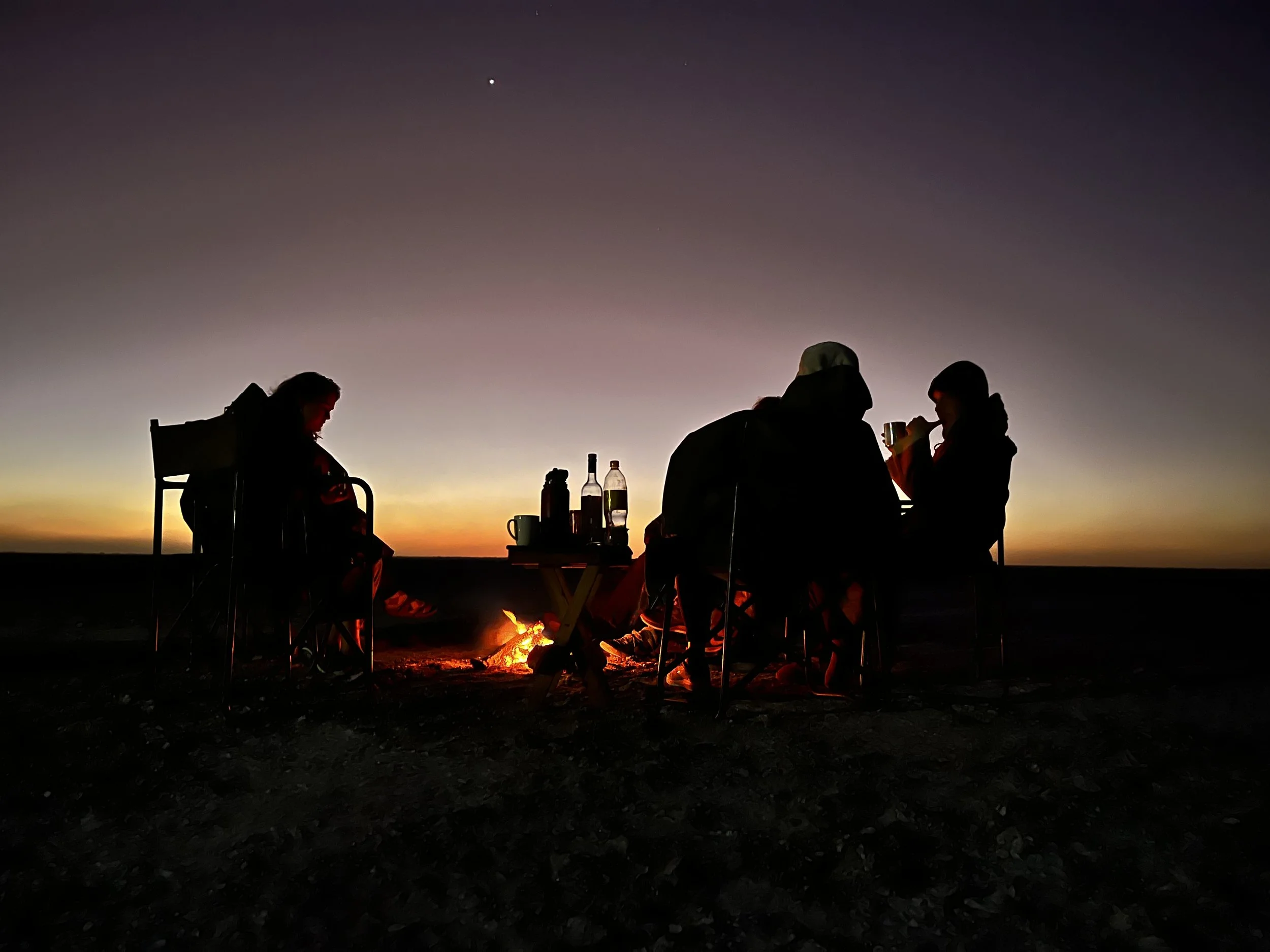
We particularly like combining styles. A beautiful lodge can be wonderful, but some of our most memorable nights have been spent around a fire with little more than canvas between us and the African bush.
Knowing where to spend
More expensive does not automatically mean more memorable.
Some camps justify their price through exceptional locations, guiding, privacy or experiences that are difficult to replicate elsewhere. In other cases, a simpler way of traveling can bring you closer to the wilderness and create an even stronger connection with Botswana.
Knowing the difference is where first-hand experience matters.
Botswana isn’t for everyone…
Botswana rewards travelers who value wilderness, space and experience over constant entertainment.
Distances can be considerable. Camps may be remote. Wi-Fi may not always be the most important thing in your day. Wildlife does not operate to a timetable and nature occasionally has other plans.
And that is precisely the point.
For people who want to disconnect from the everyday world and experience somewhere that still feels genuinely wild, there are few places quite like it.
How should you experience Botswana?
The answer depends on you.
Your budget, the time of year, how adventurous you want to be, the wildlife you hope to see and the level of comfort you prefer can all dramatically change the safari we recommend.
Some travelers will be happiest flying between exceptional camps in the Okavango Delta. Others will remember a night beneath the stars in the Makgadikgadi for the rest of their lives.
Many of our favorite itineraries combine both.
Tell us what you want from your journey and we'll help you find the Botswana that is right for you.